Alchemix Security
Understand risk before borrowing
Alchemix v3 has 0% borrowing interest, but fees, strategy losses, depegs and MYT-loss liquidations remain possible.
Risk categories — not probability scores
Smart contracts and strategies
Bugs, exploits and external strategy losses can affect MYT backing. Audits are not guarantees.
Depeg and redemption
Exchange prices can fall below target; maturity, early-exit fees and bad debt affect redemption.
Yield
Low yield replenishes less collateral while redemptions can continue drawing from it.
MYT-loss liquidation
Underlying price movement alone does not liquidate like-kind debt. MYT backing losses can push LTV above 95%.
MYT loss example
9,000 debt ÷ 10,000 collateral = 90% LTV. If MYT backing falls to 9,400 with debt unchanged, LTV becomes 95.74%, crossing the documented 95% threshold. This is an illustrative stress scenario, not a prediction. Read the full calculation and official sources.
Safety checklist
- ✦ Use only the official alchemix.fi site
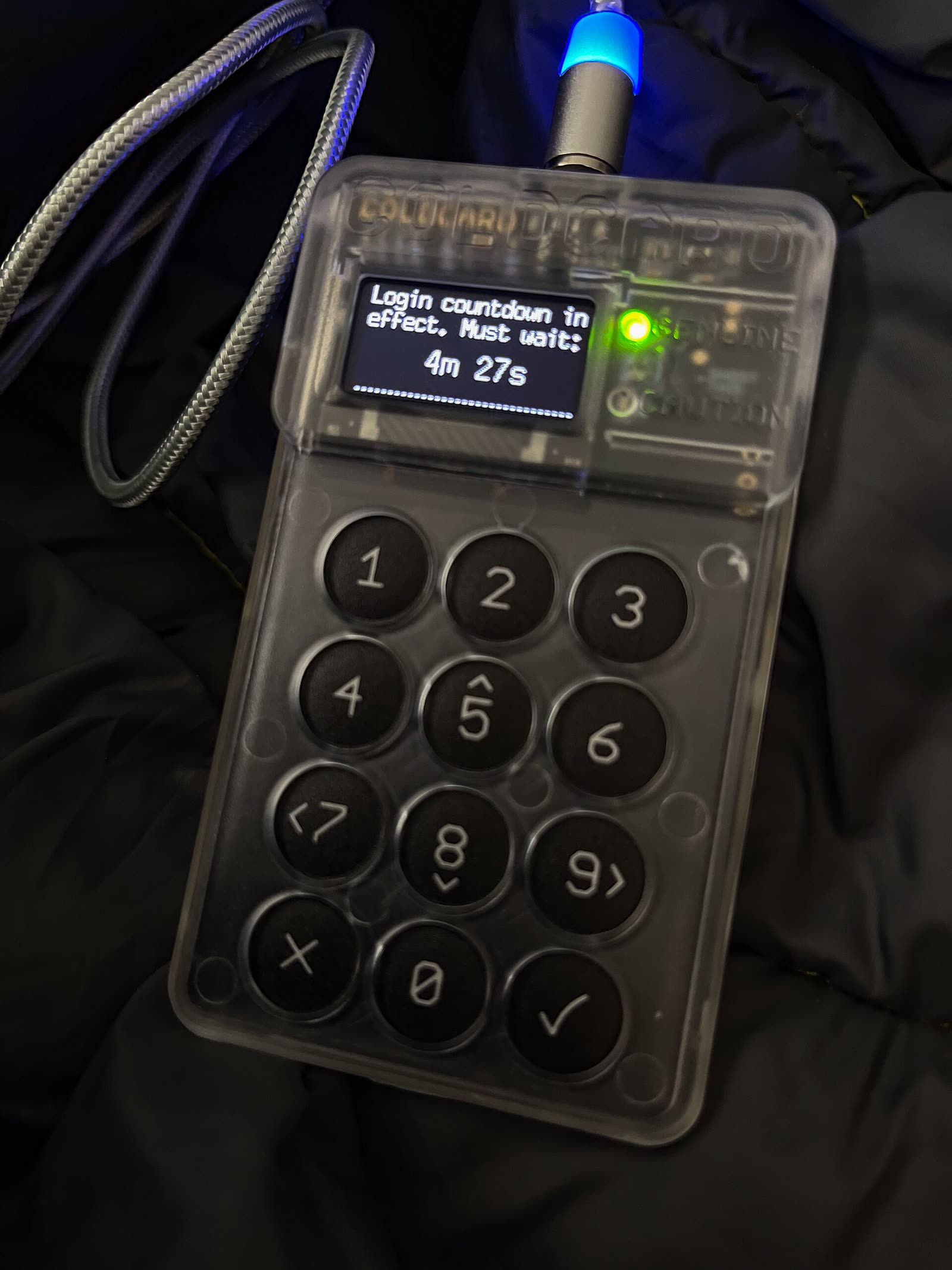
- ✦ Use a hardware wallet
- ✦ Borrow below max LTV
- ✦ Revoke old token approvals
- ✦ Start small
- ✦ Follow governance updates
Full guide: Alchemix security and risks.
How to assess Alchemix risks before and after a transaction
Start with the exposure, not a safety label
Calling a protocol audited or a loan self-repaying does not explain all the ways a position can lose value. A useful risk review starts with what you deposit, where the pooled collateral is deployed, what you borrow and how you expect to exit. Each stage introduces a different question: contract correctness, strategy performance, token liquidity or settlement conditions.
These risks can interact. A strategy problem may affect MYT backing at the same time that alAsset liquidity becomes less favorable. An exit that looked simple under normal conditions may become costly or unavailable on your preferred terms. The detailed risk guide explains these categories without assigning invented probabilities or a misleading safety score.
Like-kind debt narrows one risk, not every risk
When collateral and debt are denominated in related units, an underlying market-price move alone does not create the same mismatch as a cross-asset loan. That distinction is valuable, but MYT backing can still decline relative to the debt. The liquidation threshold therefore needs to be considered alongside the borrowing limit, not treated as irrelevant because the loan is like-kind.
Review your position using collateral and debt in the appropriate units. A dollar portfolio value can change without explaining the loan's LTV, while a backing loss can change LTV even if the underlying market price appears stable. The official liquidation documentation and the stress example above describe that separate risk.
Read audit scope and strategy exposure together
An audit is evidence about reviewed code and its stated scope, not insurance against every possible loss. Check which contracts and versions a report covers, what issues were identified and whether later changes are included. A report concerning a core contract should not automatically be interpreted as a review of every external strategy or future integration.
Use the official security and audit resources as a starting point. Then inspect the selected market's live strategy exposure. This guide does not claim to have performed an independent code audit or confirmed current coverage for every deployed contract.
Wallet hygiene protects a different part of the process
Opening the official site, checking the network and reading wallet prompts helps reduce transaction mistakes and phishing exposure. Token approvals deserve particular attention because authorizing a spender is different from simply connecting a wallet. Confirm what the request allows and whether the amount matches your intent. Never enter a recovery phrase into a website or provide it to someone claiming to offer support.
Hardware wallets and cautious approvals are useful operational practices, but cannot prevent a loss inside a legitimate strategy or guarantee a favorable token price. Treat wallet security and protocol risk as complementary checks. The deposit and repayment workflow explains how to verify the resulting position rather than relying on a successful signature alone.
Plan monitoring and exits while conditions are normal
Decide which balances, fee changes and strategy information you will review after opening a position. Understand how to settle the debt and what you expect to receive after withdrawing. A lower loan amount may leave more LTV room, but does not replace an exit plan. Keep transaction records so you can distinguish a market change from a repayment, redemption or withdrawal.
Questions about Alchemix safety
Can an audit guarantee that my deposit is safe?
No. It can improve understanding of reviewed code, but cannot promise future results or eliminate external dependencies. Assess the actual market exposure and the limits of the evidence.
Does lower borrowing remove strategy risk?
No. It changes leverage and the buffer against certain LTV movements. The collateral can still be exposed to strategy losses. Read the borrowing and collateral explanation to distinguish those issues.
What should I check before buying a discounted alAsset?
Inspect liquidity, costs, redemption timing and payout conditions, not just the apparent discount. The alAsset guide explains why a target denomination does not establish a guaranteed return.